Uruguay and New Zealand, both recognized for their leadership in tobacco control, are reinforcing a common message that achievements in tobacco control must be accompanied by sustained efforts to safeguard public health policymaking from tobacco industry interference.
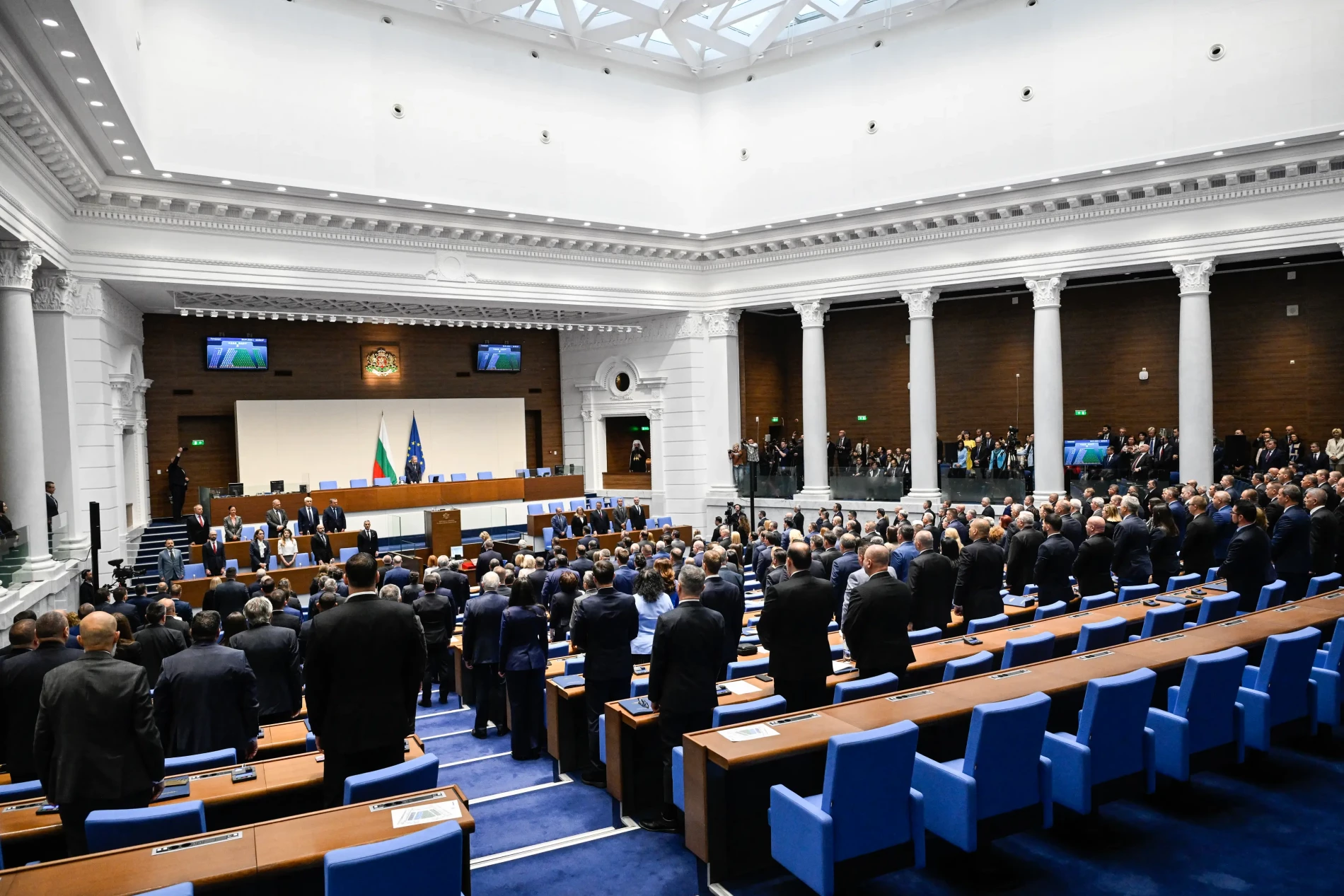
In January 2025, a 14-year-old Bulgarian boy fell from a seventh-floor window after suffering a bad reaction to a vape that contained a synthetic drug similar to marijuana. His death sparked a national outcry and within weeks, the country’s parliament unanimously approved the first draft of a law banning all types of e-cigarettes.
OxySuisse said it had identified 29 collaborations at 16 academic institutions (universities, federal institutes of technology, universities of applied sciences and university hospitals), including 23 with Philip Morris International alone, since 2019.
OxySuisse published its studyExternal link on Wednesday. The NGO stated that the forms of cooperation uncovered include joint research, publications, teaching, workshops, researcher assignments and joint doctoral theses. The collaborations involve all regions of the country and, according to the report’s authors, the actual number may be higher due to non-disclosure and confidentiality clauses.
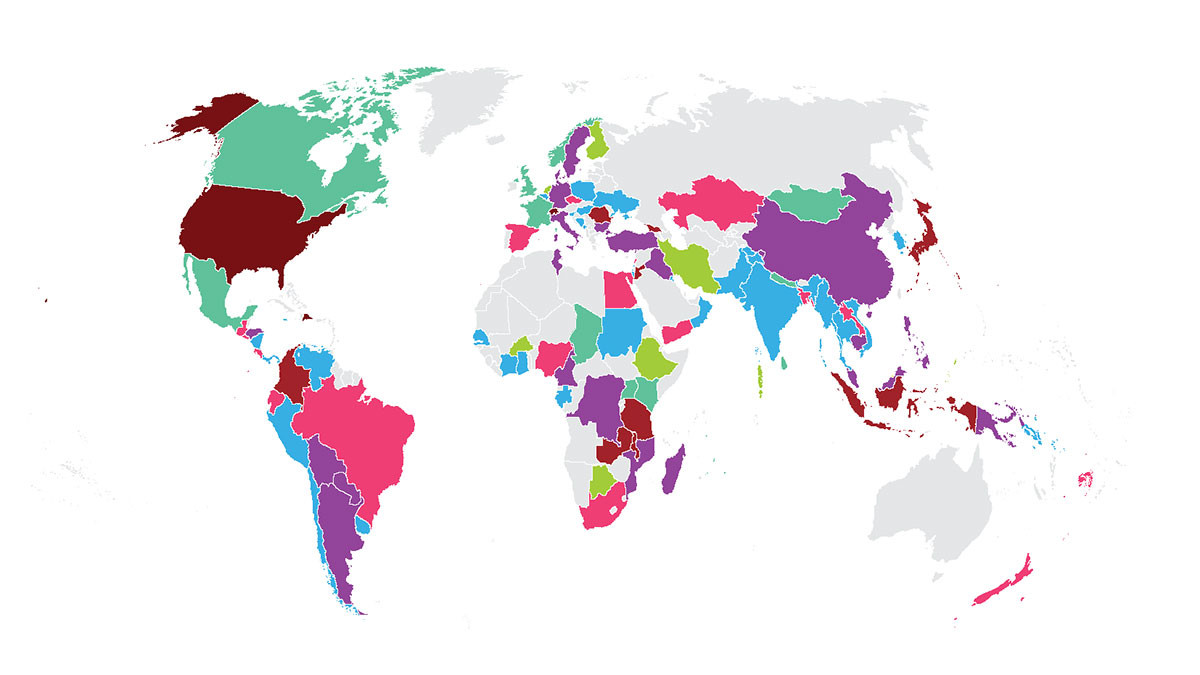
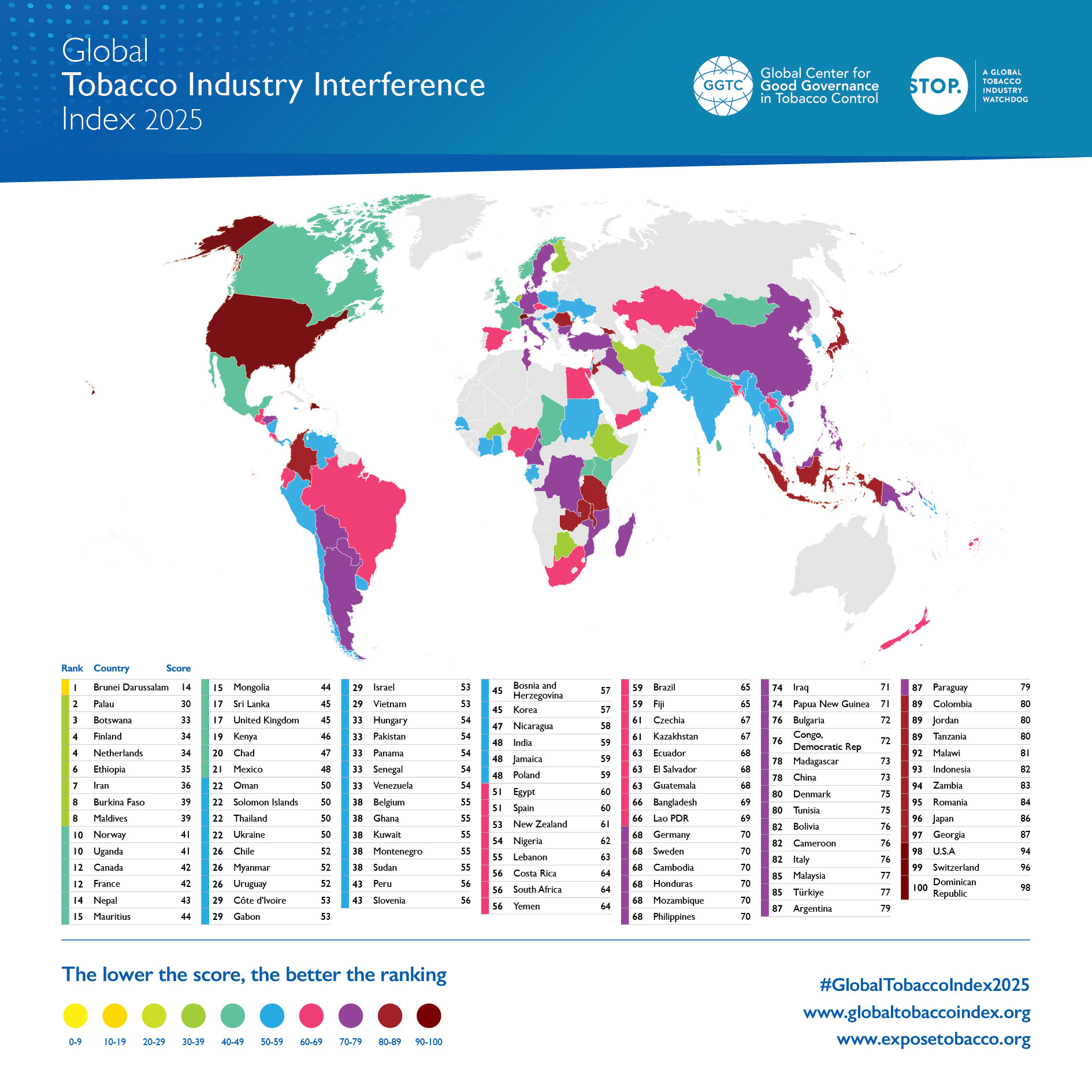
The 2025 Global Tobacco Industry Interference Index showed us two things.
First, governments are taking concrete steps to protect policy from tobacco industry interference. At least 32 countries have banned the industry from pursuing so-called corporate social responsibility activities. Such measures eliminate opportunities for the industry to promote itself and prevent policymakers from becoming indebted to tobacco companies. More than 20 countries banned or restricted tobacco industry donations to political parties, lowering the risk of conflicts of interest. And 18 countries made progress in upholding their commitments to Article 5.3 of the WHO Framework Convention on Tobacco Control (FCTC), strengthening their defenses against industry interference.
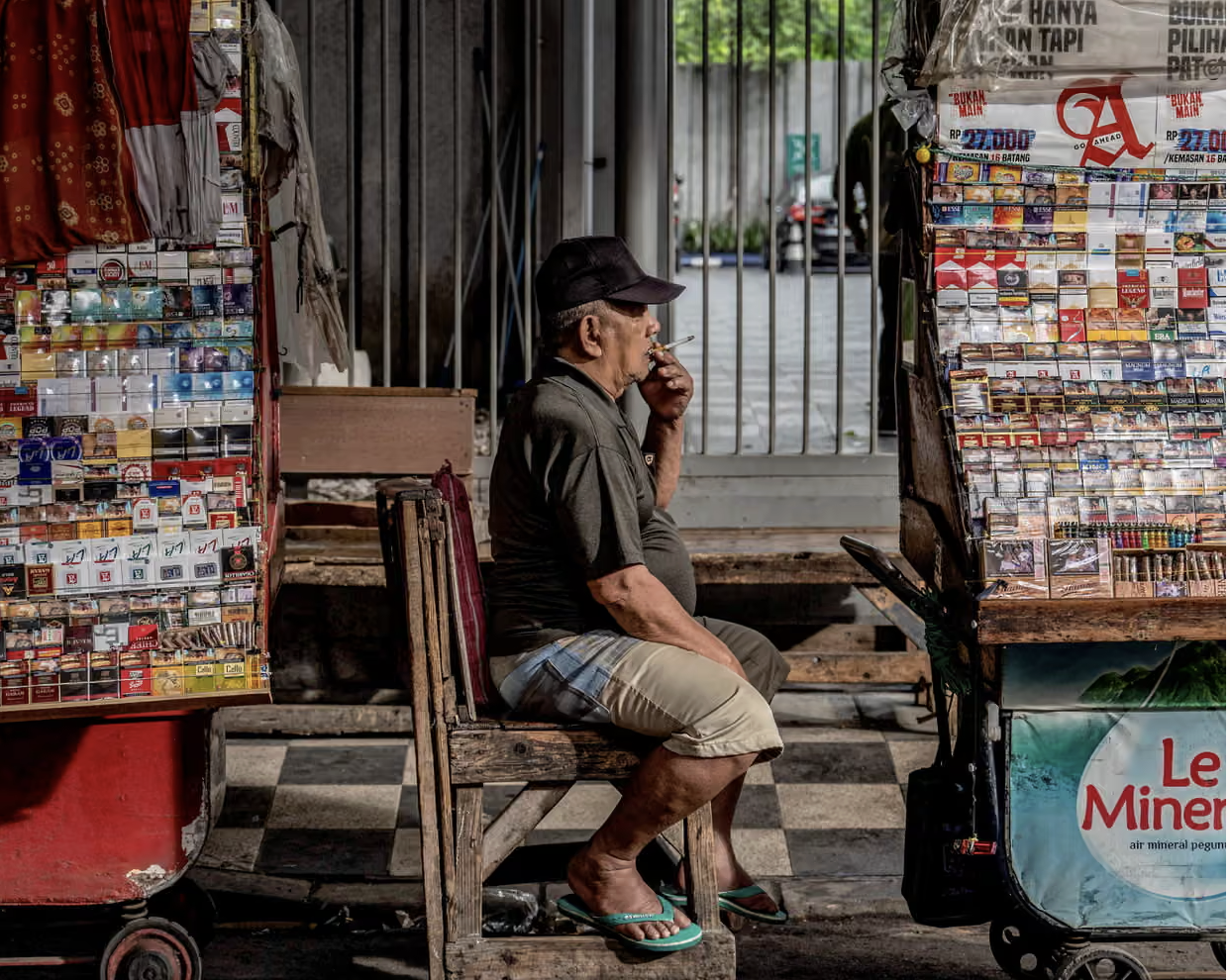
Tobacco remains a major behavioral risk factor contributing substantially to mortality and disability adjusted life years (DALYs) in Indonesia. Indonesia ranks among the top 10 countries most influenced by the tobacco industry, according to the Global Tobacco Industry Interference Index 2025. Although it has strengthened tobacco control with Law No. 17 of 2023 and Government Regulation No. 28 of 2024, implementation is blunted by massive industry interference and opposition. A draft regulation mandating 50% pictorial health warnings on tobacco and nicotine product packages has stalled amid industry pressure. Tobacco taxes have not risen in two years, with companies citing supposed threats to jobs and tobacco farmers’ livelihoods.
The interim government has recently enacted the Smoking and Tobacco Products Usage (Control) (Amendment) Ordinance, 2025 (the ‘Ordinance’) marking a significant step in strengthening Bangladesh’s tobacco control regime. The fresh ordinance redefines ‘tobacco’ and broadens the meaning of ‘tobacco products’ to include e-cigarettes, Electronic Nicotine Delivery System (ENDS), Heated Tobacco Product (HTP) and similar devices that have rapidly gained popularity, particularly among the younger users.
Research and advocacy organisation PROGGA (Knowledge for Progress) and the Anti-Tobacco Media Alliance (ATMA) have welcomed the government's approval of the 'Smoking and Tobacco Products Usage (Control) (Amendment) Ordinance, 2025'.
Vision for Accelerated Sustainable Development Ghana (VAST Ghana), a dedicated public health advocacy organisation, expresses grave concern over the publication dated 9th December 2025 on JoyNews online, authored by Bismark Peter, titled “Advancing Ghana’s Public Health Act: Multi-Sector Wins Through Harm Reduction.”
KUALA LUMPUR, Dec 23 — Anti-tobacco groups MyWatch and Public Health Malaysia have questioned if someone else had taken an RM50 million bribe, which was allegedly rejected by former Health Minister Dr Zaliha Mustafa, to drop the generational end game (GEG) policy.
BANGKOK, Thailand, Nov 13 2025 (IPS) - The 183 Parties to the global health treaty, WHO Framework Convention on Tobacco Control (FCTC) will convene in Geneva from 17 – 22 November with one objective – to strengthen their efforts to arrest the No.1 preventable cause of disease and 7 million deaths annually – tobacco use.
Anti-tobacco researchers have produced an index looking at the industry which they say shows how companies are succeeding in influencing governments to ensure taxes remain flat or stubbornly low
The Secretariat of the WHO Framework Convention on Tobacco Control (WHO FCTC) is alerting governments and the public that the tobacco industry is intensifying efforts to interfere with the work of the Conference of the Parties (COP), the treaty’s decision-making body, to weaken global tobacco control measures.
The WHO FCTC is the first treaty negotiated under the auspices of WHO and one of the most widely and rapidly embraced United Nations treaties in history. A total of 183 Parties have joined the Convention, which entered into force 20 years ago.
Tobacco use remains a pressing public health issue worldwide, especially with shisha and other products gaining popularity among young people. Kazakhstan took a firm step by banning the sale, import, and production of e-cigarettes and all tobacco products, while maintaining restrictions on shisha smoking in public places. In an exclusive interview with Kazinform News Agency, WHO Representative Dr. Skender Syla spoke about the country’s progress in tobacco control and warned of the serious health risks posed by waterpipe smoking.
The Philippines is a party to the World Health Organization Framework Convention on Tobacco Control (WHO FCTC), which aims to protect present and future generations from the devastating health, social, environmental, and economic consequences of tobacco use and exposure to tobacco smoke.
South Korea is moving to classify synthetic nicotine as tobacco under the Tobacco Business Act, subjecting e-cigarettes to the same regulations and taxes as traditional cigarettes for the first time. A subcommittee of the National Assembly’s Strategy and Finance Committee approved the revision on Monday, expanding the definition of tobacco from “tobacco leaf” to “tobacco or nicotine.”
A representative of the Canadian Cancer Society is calling on the Nova Scotia government to dedicate a sizable amount of a historic legal settlement with tobacco companies toward efforts to help reduce smoking rates in the province.
"The origin of Nova Scotia's lawsuit was the devastating health effects and health-care costs because of smoking and tobacco companies," Rob Cunningham, a policy analyst with the society, said in an interview.
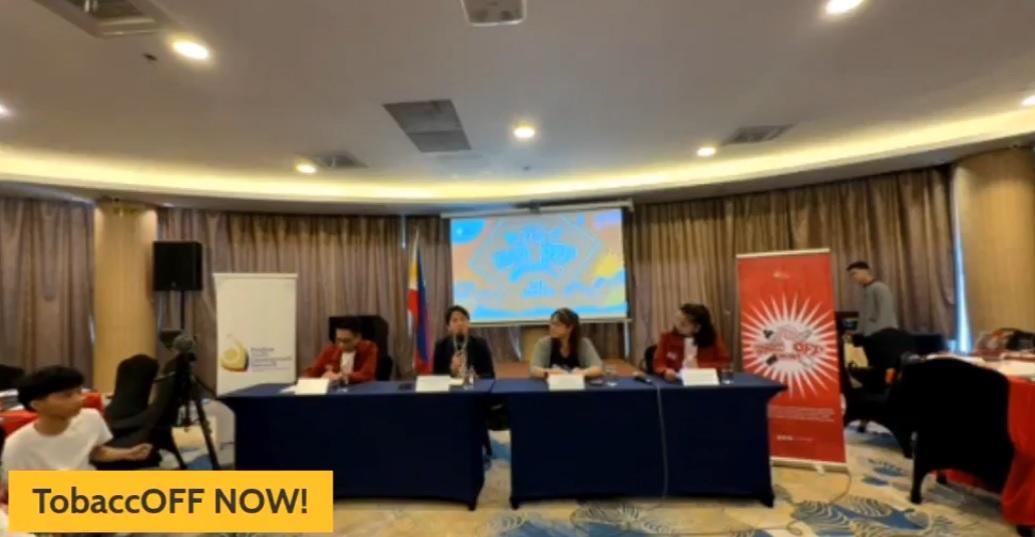
Declaring that “the time for silent acceptance is over,” young Filipinos issued a powerful challenge to the government and the tobacco industry as they unveiled a national youth manifesto calling for sweeping reforms to protect their generation from nicotine addiction.
The future of a Biden-era proposal to slash nicotine levels in cigarettes is uncertain after the Trump administration excluded it from a key regulatory roadmap amid growing industry pressure to scrap the bid.
Pakistan’s struggle with tobacco control reveals how industry interference and policymaker susceptibility can undermine public health efforts. Recently, Pakistan has been operating without a WHO Framework Convention on Tobacco Control (WHO FCTC) technical focal point.
Tegucigalpa, Honduras. The tobacco industry has a significant influence on public policies and enjoys benefits that are of concern to health and transparency organizations in Honduras. A recent report presented by the Center for Family Health Promotion ( Ceprosaf ) and Corporate Accountability warns of the lack of effective controls and possible conflicts of interest between senior government officials and tobacco companies.