Uruguay and New Zealand, both recognized for their leadership in tobacco control, are reinforcing a common message that achievements in tobacco control must be accompanied by sustained efforts to safeguard public health policymaking from tobacco industry interference.
তামাকপণ্য কোনোভাবেই নিত্যপ্রয়োজনীয় দ্রব্যের তালিকায় থাকতে পারে না। এটি সংবিধানে বাঁচার অধিকার সংক্রান্ত মৌলিক অধিকারপরিপন্থী। তামাকপণ্যকে এই তালিকা থেকে বাদ দিতে জাতীয় সংসদে বেসরকারি সদস্য বিল জমা দেয়া হয়েছে। শনিবার ‘তামাক কোম্পানির হস্তক্ষেপ, এফসিটিসি আর্টিক্যাল ৫.৩ বাস্তবায়ন সংক্রান্ত গবেষণা প্রতিবেদন’ প্রকাশ অনুষ্ঠানে এ কথা বলেছেন পরিবেশ, বন ও জলবায়ু পরিবর্তন মন্ত্রণালয় সম্পর্কিত সংসদীয় স্থায়ী কমিটির সভাপতি সাবের হোসেন চৌধুরী।
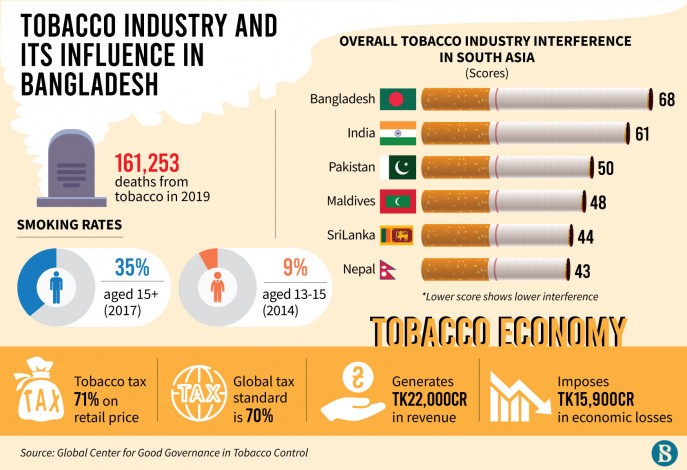
অর্থনৈতিক রিপোর্টার ॥ চলমান কোভিড-১৯ মহামারীকে শতভাগ কাজে লাগাতে সক্ষম হয়েছে তামাক কোম্পানিগুলো। মূলত সামাজিক দায়বদ্ধতামূলক (সিএসআর) কর্মসূচীর অজুহাতে তারা নীতিনির্ধারক ও প্রশাসনের সঙ্গে মিশে নানাবিধ ব্যবসায়িক সুবিধা আদায় করতে সক্ষম হয়েছে। গবেষণায় প্রাপ্ত ফলাফল অনুযায়ী বাংলাদেশে আর্টিক্যাল ৫.৩ বাস্তবায়নের কিছুটা অগ্রগতি হলেও তা সন্তোষজনক নয়। ‘তামাক কোম্পানির হস্তক্ষেপ সূচক’ এ বাংলাদেশের প্রাপ্ত স্কোর ৬৮ অর্থাৎ বাংলাদেশ এখনও তামাক কোম্পানির শক্তিশালী হস্তক্ষেপ ঝুঁকির মধ্যে রয়েছে।
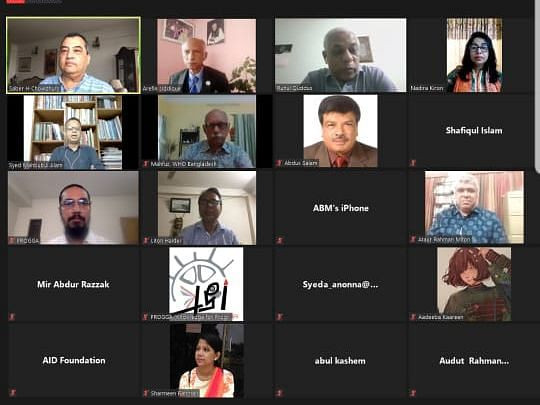
According to a webinar held in the capital yesterday, the country is still at strong risk from tobacco companies. Tobacco companies have been able to make 100 per cent use of the ongoing covid-19 epidemic. Mainly on the pretext of social responsibility (csr) programmes, they have been able to get various business benefits in association with policymakers and administrations. The 'tobacco company intervention index: fcc article 5.3 implementation report, bangladesh 2020' research report was published in webinar. The webinar is hosted by pragya (knowledge for progress) and anti tobacco media alliance (soul) through online zoom software. the chief guest of the event was saber hossain chowdhury mp, chairman, parliamentary standing committee on environment, forest and climate change. He said tobacco is essential product but only for death, not for life. notification
করোনা মহামারীকে শতভাগ কাজে লাগাতে সক্ষম হয়েছে তামাক কোম্পানিগুলো। মূলত সামাজিক দায়বদ্ধতামূলক (সিএসআর) কর্মসূচির অজুহাতে তারা এই ব্যবসায়িক সুবিধা আদায় করতে সক্ষম হয়েছে। গতকাল ঢাকায় প্রকাশিত ‘তামাক কোম্পানির হস্তক্ষেপ সূচক : এফসিটিসি আর্টিক্যাল ৫.৩ বাস্তবায়ন প্রতিবেদন, বাংলাদেশ ২০২০’ গবেষণা প্রতিবেদনে এসব তথ্য উঠে এসেছে। অনলাইনে প্রজ্ঞা (প্রগতির জন্য জ্ঞান) এবং অ্যান্টি টোব্যাকো মিডিয়া অ্যালায়েন্স (আত্মা) আয়োজিত এক ওয়েবিনারে এই গবেষণা প্রতিবেদন প্রকাশ করা হয়। বাংলাদেশ সংবাদ সংস্থার (বাসস) চেয়ারম্যান ও ঢাকা বিশ্ববিদ্যালয়ের সাবেক উপাচার্য আ আ ম স আরেফিন সিদ্দিকের সভাপতিত্বে প্রধান অতিথি ছিলেন পরিবেশ, বন ও জলবায়ু পরিবর্তন মন্ত্রণালয় সম্পর্কিত সংসদীয় স্থায়ী কমিটির সভাপতি সাবের হোসেন চৌধুরী। বিশেষ অতিথি ছিলেন স্বাস্থ্যসেবা বিভাগের সাবেক অতিরিক্ত সচিব এবং জাতীয় তামাক নিয়ন্ত্রণ সেলের প্রাক্তন সমন্বয়ক মুহাম্মদ রূহুল কুদ্দুস। গবেষণায় প্রাপ্ত ফল অনুযায়ী, বাংলাদেশে আর্টিক্যাল ৫.৩ বাস্তবায়নের কিছুটা অগ্রগতি হলেও তা সন্তোষজনক নয়। তামাক কোম্পানির হস্তক্ষেপ সূচকে বাংলাদেশের প্রাপ্ত স্কোর ৬৮ অর্থাৎ বাংলাদেশ এখনো তামাক কোম্পানির শক্তিশালী হস্তক্ষেপ ঝুঁকির মধ্যে রয়েছে।
Government’s policy agenda in Bangladesh is still highly vulnerable to the interference of the tobacco industry, according to a study report revealed on Saturday.
According to the study, the tobacco industry has used CSR programs as a pretense to get closer to policymakers, government officials, and administration
Government`s policy agenda in Bangladesh is still highly vulnerable to the interference of the tobacco industry, according to a study report revealed on Saturday.
Tobacco companies have used their corporate social responsibility (CSR) programmes to get closer to policymakers, government officials and administration in order to exploit "connection to extract different benefits and to interfere in tobacco control activities", anti-tobacco group Knowledge for Progress said citing a survey report.
Tobacco companies have managed to exploit the ongoing Covid-19 pandemic to the fullest for their benefit. The tobacco companies have particularly used their Corporate Social Responsibilities (CSR) as a pretense to infiltrate into policymaking and administration and extract a variety of benefits, the study says.
“Tobacco companies have managed to exploit the ongoing Covid-19 pandemic to the fullest for their benefit. The tobacco companies have particularly used their Corporate Social Responsibilities (CSR) as a pretense to infiltrate into policymaking and administration and extract a variety of benefits”, said a study report.
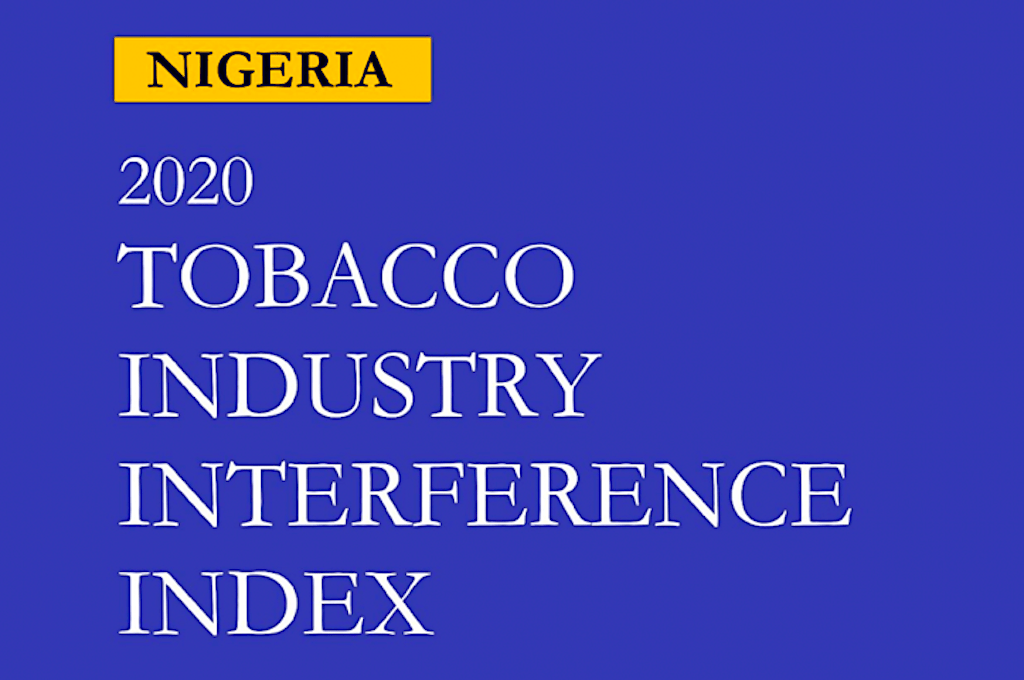
tobacco essential products are not just for death, not for life. it cannot be on the list of essential commodities in any way. rather, it is against the fundamental right of the constitution to live. mp saber hossain chowdhury made the remarks at a research results release titled 'tobacco company intervention index 2020' on saturday. he is the chairman of the parliamentary standing committee on environment, forest and climate change.
Although some progress has been made in the implementation of Article 5.3 in Bangladesh, it is not satisfactory. Bangladesh's score in the 'Tobacco Company Intervention Index' means that Bangladesh is still at risk of strong tobacco company intervention, according to a study.
চলমান কোভিড-১৯ মহামারীকে শতভাগ কাজে লাগাতে সক্ষম হয়েছে তামাক কোম্পানিগুলো। মূলত সামাজিক দায়বদ্ধতামূলক (সিএসআর) কর্মসূচির অজুহাতে তারা নীতিনির্ধারক ও প্রশাসনের সঙ্গে মিশে নানাবিধ ব্যবসায়িক সুবিধা আদায় করতে সক্ষম হয়েছে। গবেষণায় প্রাপ্ত ফলাফল অনুযায়ী বাংলাদেশে আর্টিক্যাল ৫.৩ বাস্তবায়নের কিছুটা অগ্রগতি হলেও তা সন্তোষজনক নয়। ‘তামাক কোম্পানির হস্তক্ষেপ সূচকে’ বাংলাদেশের প্রাপ্ত স্কোর ৬৮ অর্থাৎ বাংলাদেশ এখনও তামাক কোম্পানির শক্তিশালী হস্তক্ষেপ ঝুঁকির মধ্যে রয়েছে। শনিবার (২৮ নভেম্বর) ঢাকায় প্রকাশিত ‘তামাক কোম্পানির হস্তক্ষেপ সূচক : এফসিটিসি আর্টিক্যাল ৫.৩ বাস্তবায়ন প্রতিবেদন, বাংলাদেশ ২০২০’ গবেষণা প্রতিবেদনে এসব তথ্য উঠে এসেছে। গবেষণা ও অ্যাডভোকেসি প্রতিষ্ঠান প্রজ্ঞা (প্রগতির জন্য জ্ঞান) এবং অ্যান্টি টোব্যাকো মিডিয়া এলায়েন্স (আত্মা) আয়োজিত এক অনলাইন আলোচনা অনুষ্ঠানে এই গবেষণা প্রতিবেদন প্রকাশ করা হয়।
There is a lot of hope for Africa. We can stop the tobacco epidemic before it gains a bigger, deadlier foothold, as it did in Europe, Asia and the Americas, if governments act now to stop Big Tobacco’s interference. It will require vigilance, transparency, and the demonstrated will of policymakers to push back the industry.
Bangladesh's tobacco industry interferes the most in the country's tobacco control policy and legislation among South Asian countries, according to a report.
New Delhi: New research citing evidence collected by civil society groups in 57 countries reveals that, during 2019, the tobacco industry stepped up efforts to lobby governments through departments of finance, customs, and trade. This enabled the industry to further expand its influence during the COVID-19 crisis in 2020.