Uruguay and New Zealand, both recognized for their leadership in tobacco control, are reinforcing a common message that achievements in tobacco control must be accompanied by sustained efforts to safeguard public health policymaking from tobacco industry interference.
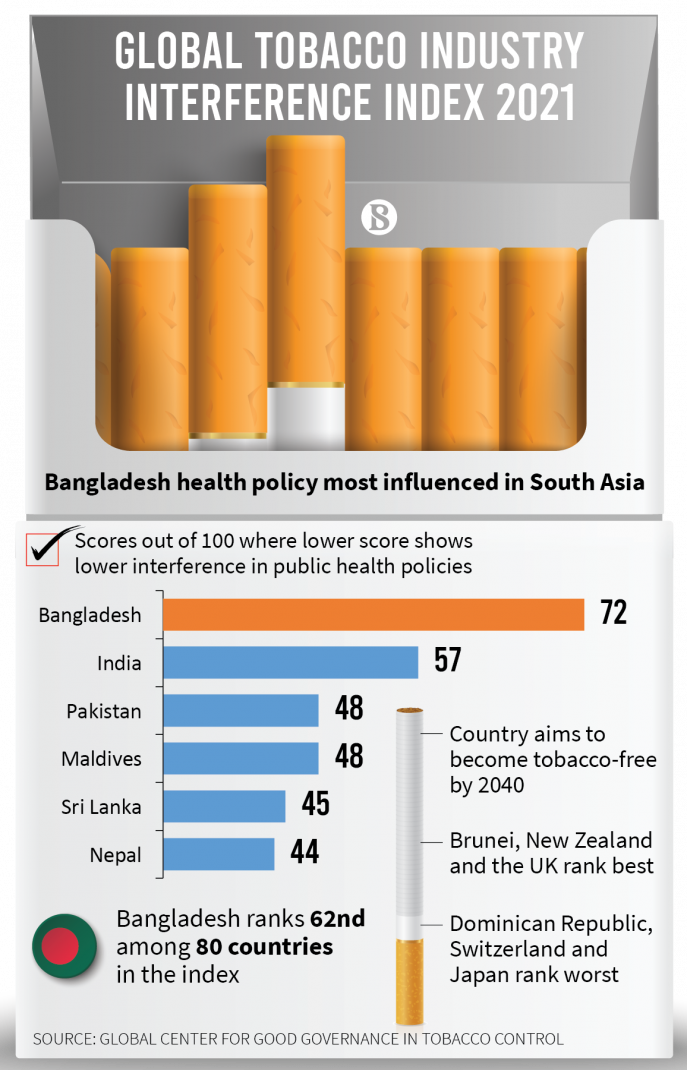
Ukraine is under pressure from the tobacco industry, ranking 52nd out of 80 countries in the ranking of the third Global Index of Tobacco Industry Interference in State Health Policy.
The world's poorest countries are not implementing public health policies on tobacco, alcohol and unhealthy foods, partly as a result of commercial influence, according to international research published in The Lancet Global Health that spanned more than 190 countries. .
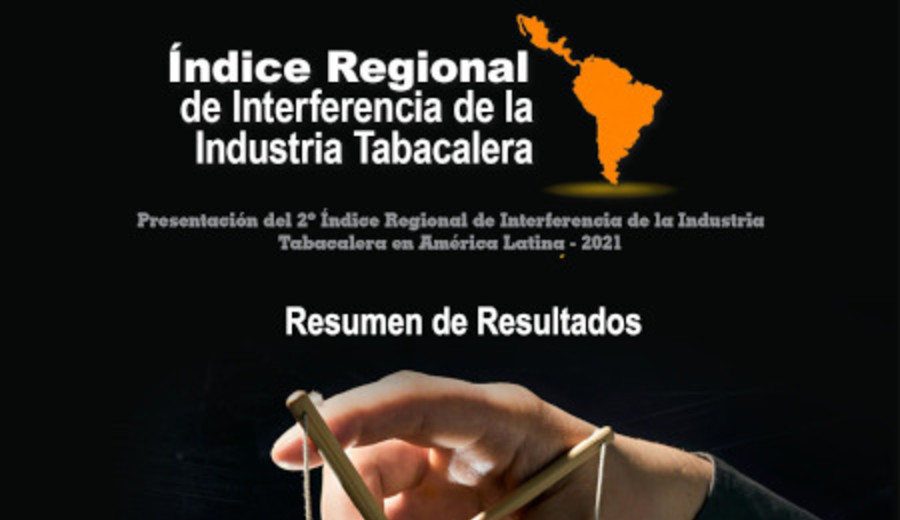
MONTEVIDEO (Uypress) - Today the Second Interference Index of the Tobacco Industry in Latin America 2021 was presented, for the second consecutive year, coordinated by Corporate Accountability in collaboration with STOP, an organization that controls the tobacco industry at the level of international..
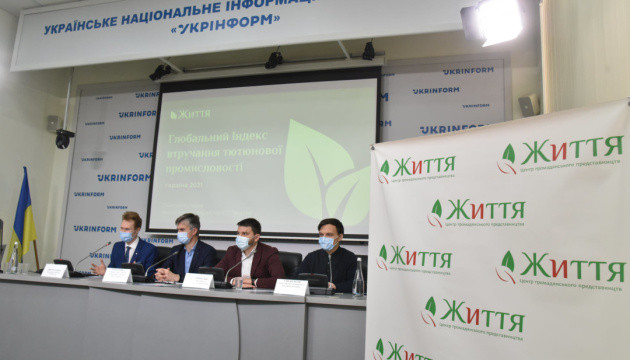
The non-governmental organization Zhyttia presented the results of the third Global Index of Tobacco Intervention, according to which Ukraine took 52nd place out of 80 countries. The study measures the effectiveness of governments in protecting health policies from tobacco intervention and effective strategies to combat it, which should be implemented by the government at the state level. The results of the third report of the Index of Intervention of the Tobacco Industry in Ukraine are based on data collected for the period from January 1, 2020 to March 31, 2021.
Tegucigalpa, Honduras, 11/10/2021: Between 30% and 40% of Hondurans are smokers, of which 22% are men and 18% women, while the country spends about 1,238 million lempiras on patient care with diseases associated with tobacco use, according to data from Ihadfa.
The Uruguayan tobacco industry is, today, reduced to a minimum in a historical perspective. So much so that in the line referring to the sector of the Physical Volume index that has been elaborated by the National Institute of Statistics (INE) for a decade it appears with an “s”: it is assigned to the manufacturing divisions that due to their small size or the universe that represents it is not possible to disclose information, by virtue of the statistical secrecy provided by law.
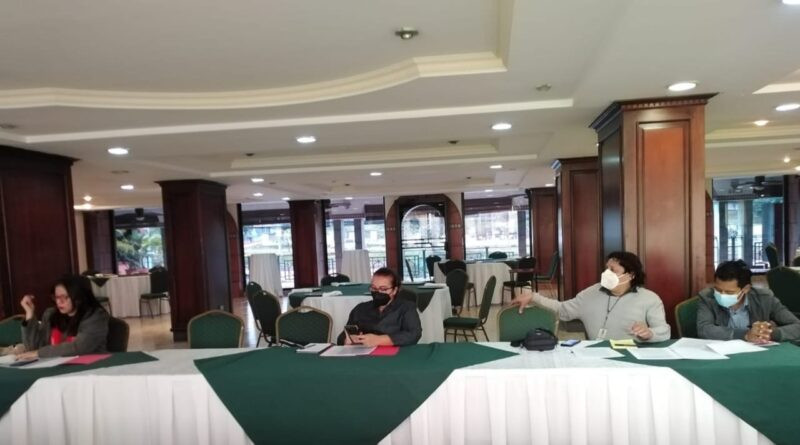
Executive Director of the Tanzania Tobacco Control Association (TTCF) Lutgard Kagaruki presenting a series of research studies on tobacco companies affecting health and causing non-communicable diseases during a meeting to assess how tobacco companies are interfering with health and regulatory policies tobacco prepared by TTCF and held at the Jakaya Kikwete Heart Institute (JKCI) Conference Hall yesterday in Dar es Salaam.
Photo by: JKCI
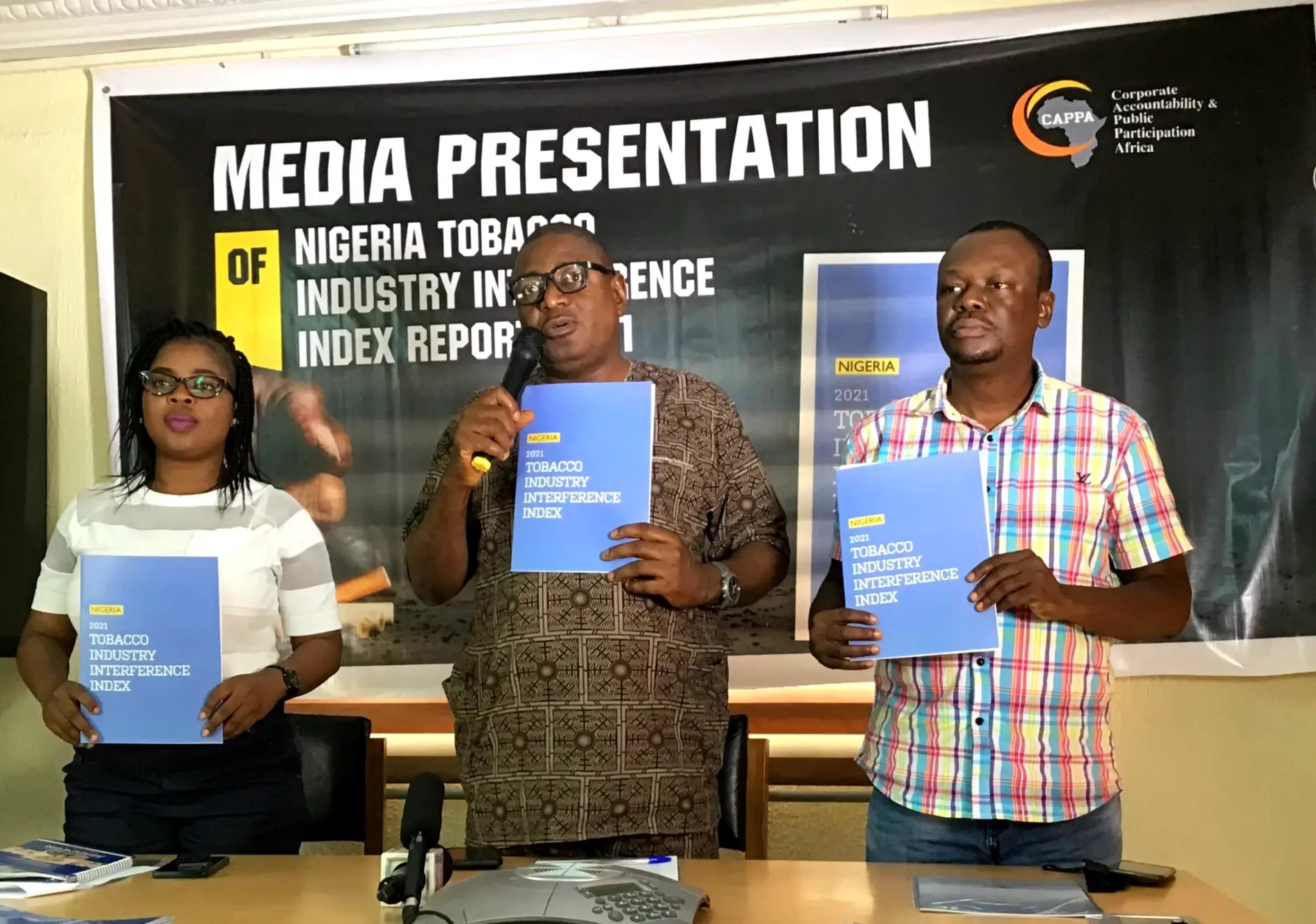
The Global Tobacco Industry Interference Index 2021 Report released by the Global Center for Good Governance in Tobacco Control, GGTC, reinforces our call on the Nigerian government to de-normalise so-called corporate socially responsible activities of the tobacco industry.
Mexico City, November 9, 2021.- A report from the tobacco industry regulator STOP reveals that this industry embraced the COVID-19 pandemic as an opportunity to gain influence, meddle in life-saving health policies, and ensure preferential treatment.
Based on the report from the tobacco industry regulator STOP , the Covid-19 pandemic functioned as an opportunity for the industry to gain greater influence on health policies. In the Global Tobacco Industry Interference Index 2021 , reports were shown revealing that no country, of the 80 nations observed, was immune to lobbying and donations on their behalf.
The Federal Government has been urged to de-normalize the Corporate Social Responsibility (CSR) activities of the tobacco industry, as it is exploitative.
The tobacco industry has had no qualms about profiting from the COVID-19 pandemic, trying to clean up its image by assisting governments, while continuing to interfere with the implementation of the WHO Framework Convention on Tobacco Control (FCTC).
The Global Center for Good Governance in Tobacco Control (GGTC) in its Global Tobacco Industry Interference Index 2021 Report has reinforced Corporate Accountability and Public Participation Africa (CAPPA)’s call on the Nigerian government to de-normalize so-called corporate socially responsible activities of the tobacco industry.
The Global interference index report was released on November 2 and contains findings from investigations, carried out all through the year by GGTC and its networks spread all over the world, on how the tobacco industry has conducted itself. This year’s index pays attention to the various ways tobacco companies have tried to influence policies and mandates aimed at regulating their products.
A new report has outlined the extent to which tobacco companies used the COVID-19 pandemic to engage with relief efforts, form relationships with government figures, and attempt to influence policy. The Global Tobacco Industry Interference Index 2021 is produced by the Global Centre for Good Governance in Tobacco Control, a partner of STOP, a tobacco industry watchdog. Notably, at least ten countries designated tobacco products as essential goods during the pandemic. Guatemala, Tanzania, and Zambia delayed introducing or implementing tobacco control legislation. Argentina and the Dominican Republic reduced tobacco taxes. South Korea's Ministry of Gender, Equality and Family awarded the country's largest cigarette firm the “Prime Minister Prize for ‘Family-friendly Company’”.
Indonesia, Japan, Switzerland, and the Dominican Republic are the least able to prevent industry meddling; Botswana, Chile, India and Spain among the advancing countries.
A new report from tobacco industry regulator STOP reveals that the industry embraced the COVID-19 pandemic as an opportunity to gain influence, meddle in life-saving health policies, and secure preferential treatment. Reports from civil society organizations in 80 countries, analyzed in the Global Tobacco Industry Interference Index 2021 , show that no country was immune to the efforts of this sector to use lobbying and donations to their advantage.
A new report from tobacco industry regulator STOP reveals that the industry embraced the COVID-19 pandemic as an opportunity to gain influence, meddle in life-saving health policies, and secure preferential treatment. Reports from civil society organizations in 80 countries, analyzed in the Global Tobacco Industry Interference Index 2021 , show that no country was immune to the efforts of this sector to use lobbying and donations to their advantage.
Africa against tobacco (ACONTA) launched the report on the index of interference from the tobacco industry in Burkina Faso, Monday, October 25, 2021 in Ouagadougou, in the presence of partner institutions in the fight against tobacco , in particular the Ministry of Industry, Trade and Handicrafts; the Minister of Health; the World Health Organization (WHO) in Burkina Faso and the Network of Journalists for the Fight against Tobacco in Burkina Faso (REJAT-BF). It was a moment of advocacy and calling out to bet more on the actions of struggle to counter the offensive of the tobacco industry for the purposes of preserving the health of the populations.
Last Wednesday the Second Interference Index of the Tobacco Industry in Latin America 2021 was presented. It was coordinated by Corporate Accountability in collaboration with STOP, an international tobacco industry control organization. In it, they highlighted that almost a million people die each year from the consumption of tobacco products in Latin America and it has produced more deaths than Covid-19 in the region.
The report focuses on the progress in the implementation of Article 5.3 of the World Health Organisation Framework Convention on Tobacco Control (WHO FCTC)
For the third time , the Tobacco Industry Interference Index is presented and this year Mexico's position has worsened compared to other Latin American countries, mainly due to the increased participation of the industry in the establishment and application of public health policies on tobacco control.