Uruguay and New Zealand, both recognized for their leadership in tobacco control, are reinforcing a common message that achievements in tobacco control must be accompanied by sustained efforts to safeguard public health policymaking from tobacco industry interference.
Anti-tobacco campaigners on Thursday demanded the government amend the tobacco control law soonest to reduce casualties and other losses incurred by its consumption.
The demand came at an event on Thursday when four journalists were awarded for their journalistic work in creating awareness and influencing policies against tobacco menace in the country.
The US public relations firm helping Egypt organise COP27 also works for major oil companies and has been accused of greenwashing on their behalf, openDemocracy can reveal.
Hill+Knowlton Strategies, which has worked for ExxonMobil, Shell, Chevron and Saudi Aramco, is managing communications for Egypt’s presidency of the UN climate conference, which will take place next month in Sharm El Sheikh.
Hill+Knowlton’s clients have also included Coca-Cola, which last month was controversially named as a sponsor of the conference despite having been declared the world’s worst corporate plastic polluter for four years in a row.
Bangladesh Anti-Tobacco Alliance along with 13 other organisations on Thursday held a rally for a tobacco-free Bangladesh demanding to take ‘strict steps’ to stop interference of the tobacco companies.
They also raised a demand for implementing the Smoking and Tobacco Products Usage (Control) Act, 2005, at the rally held in front of the Bangladesh National Museum at Shahbagh.
SEOUL, Oct. 12 (Korea Bizwire) — South Korea’s state pension fund has been found to have invested a large sum of money in the so-called “sin stocks” that include liquor, tobacco and gambling businesses, data showed Tuesday.
Rep. Nam In-soon of the Democratic Party referred to an National Pension Service (NPS) report that around 5.29 trillion won (US$3.71 billion) had been invested in sin stocks as of last February.
The NPS’s domestic investment in sin stocks temporarily dropped from 2.37 trillion won to 1.61 trillion won between 2017 and last year, before climbing back to 1.68 trillion won last February.
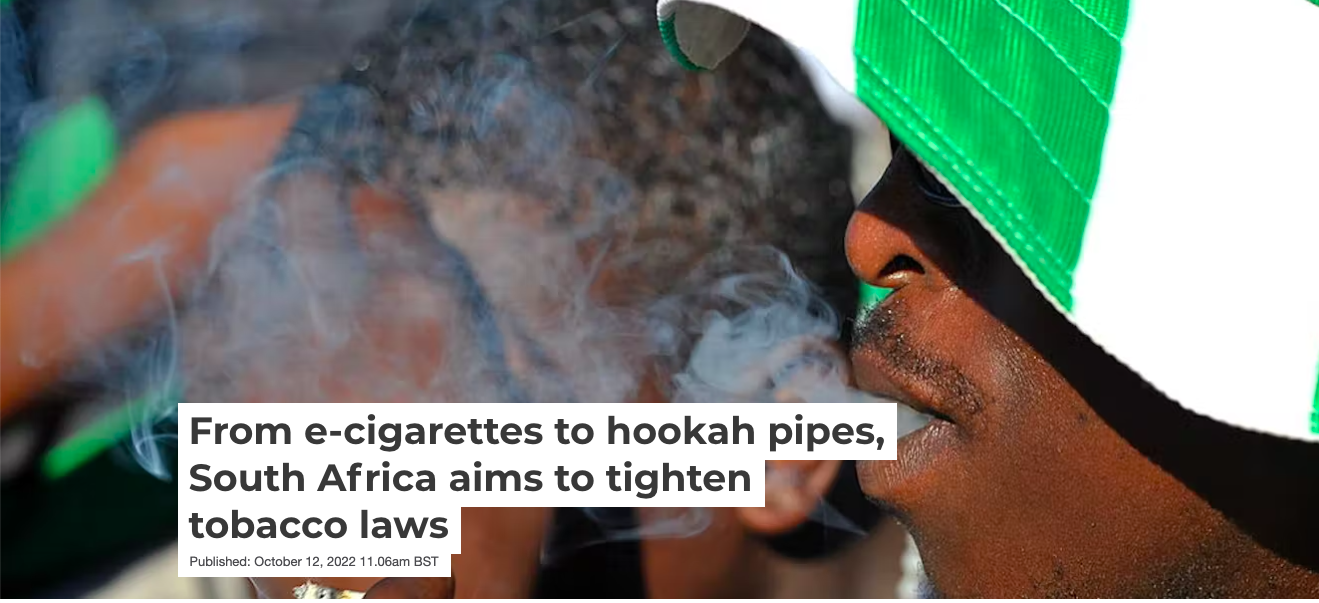
Tobacco is a leading cause of disease. It is estimated that it kills half of its consumers. Over a million additional deaths result from exposure to second hand smoke. Countries around the world are moving towards stricter regulation of tobacco products in compliance with their obligation to the World Health Organisation’s (WHO) Framework Convention on Tobacco Control. In 2018 South Africa published a tobacco control bill that sought to better regulate the sale of cigarettes and other tobacco products. It’s been revised as the Tobacco Products and Electronic Delivery Systems Control Bill 2021 and has been approved for submission to parliament. Ina Skosana speaks to Catherine Egbe, a lead researcher on South Africa’s Global Adult Smoking Survey, about the latest developments.
Cambodia Movement for Health (CMH) executive director Mom Kong has renewed his requests to the government that the taxes on tobacco be raised to generate more income for the national budget and reduce the overall number of cigarette smokers.
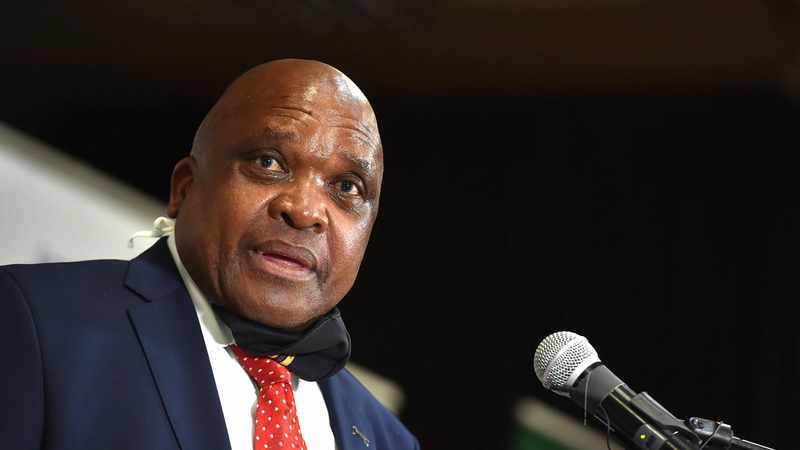
Durban – Health Minister Joe Phaahla said the new tobacco bill was an important step towards improving the health of South Africans.
Phaahla was responding to questions posed to him regarding his stance on the newly amended tobacco bill, which is in the process of being passed.
We humans are notoriously bad at estimating risk. Most people fear flying far more than driving, even though the odds of dying in a car accident (1 in 107 in the US, for example) are far higher than perishing in an aircraft crash (about 1 in 11 million).
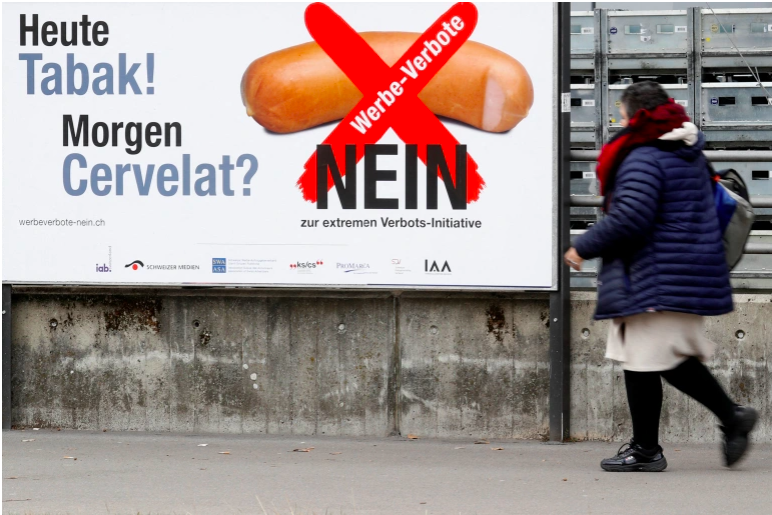
The Swiss will vote Sunday on whether to tighten their notoriously lax tobacco laws by banning virtually all advertising of the health-hazardous products.
Dr Raouf Alebshehy is a public health consultant with a background in medicine and healthcare reform. He works as monitoring coordinator in Tobacco Tactics, part of the Tobacco Control Research Group at the University of Bath, which is research partner in the global tobacco industry watchdog STOP.
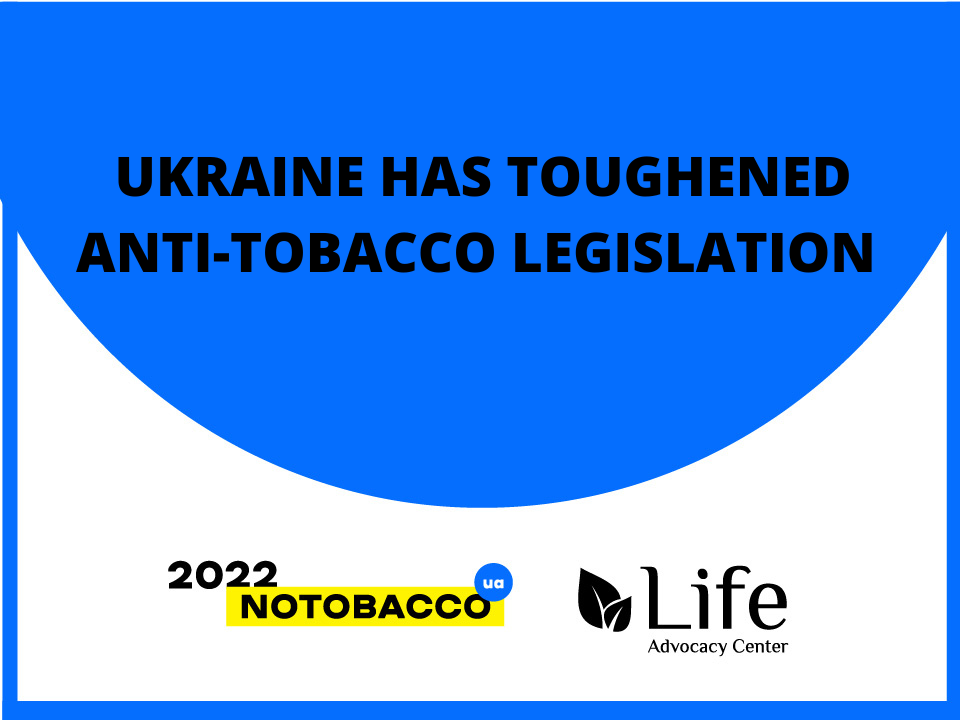
Ukraine’s President on January 6 signed a sweeping new tobacco control law, 1978-IX that will save lives and protect millions of Ukrainians from the deadly harms of tobacco use. After nearly two years of deliberations, the law is a significant victory for the Ukrainian government and public health advocates.
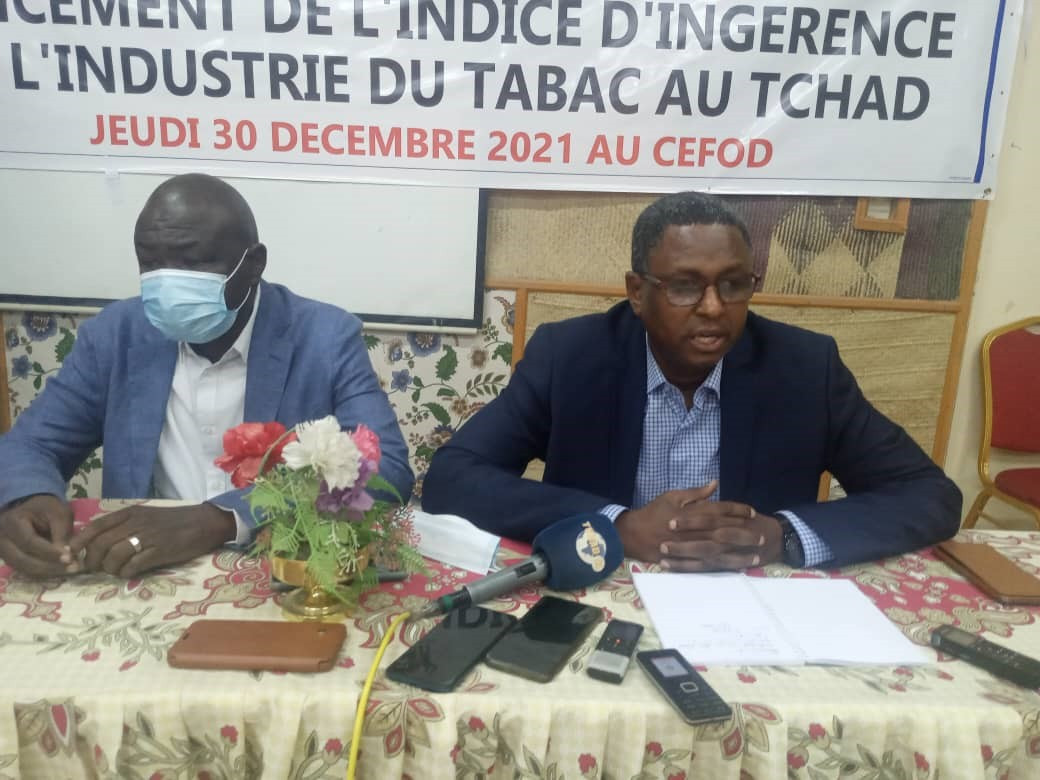
The Association for the Defense of Consumers' Rights (ADC) presented its report to CEFOD on Thursday entitled: “Index of interference from the tobacco industry in Chad”.
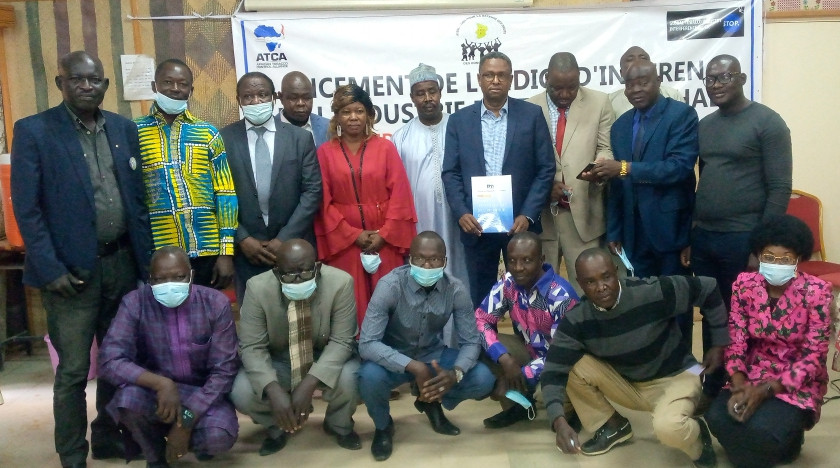
The Association for the Defense of Consumer Rights (ADC) presented the report on the interference index of the tobacco industry in Chad on December 30, 2021 at CEFOD, in the presence of certain civil society associations and media bosses.
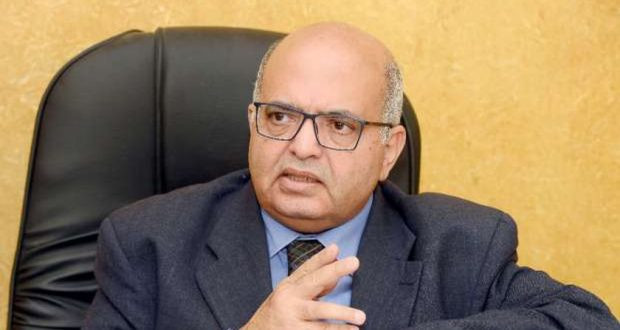
Dr. Essam El-Maghazi, President of the Anti-Smoking, Tuberculosis and Chest Diseases Association, stressed that the Tobacco Control in Egypt 2019 report highlights the extent to which governments are able to resist the destructive moves of the tobacco industry, and how do governments address this impact?
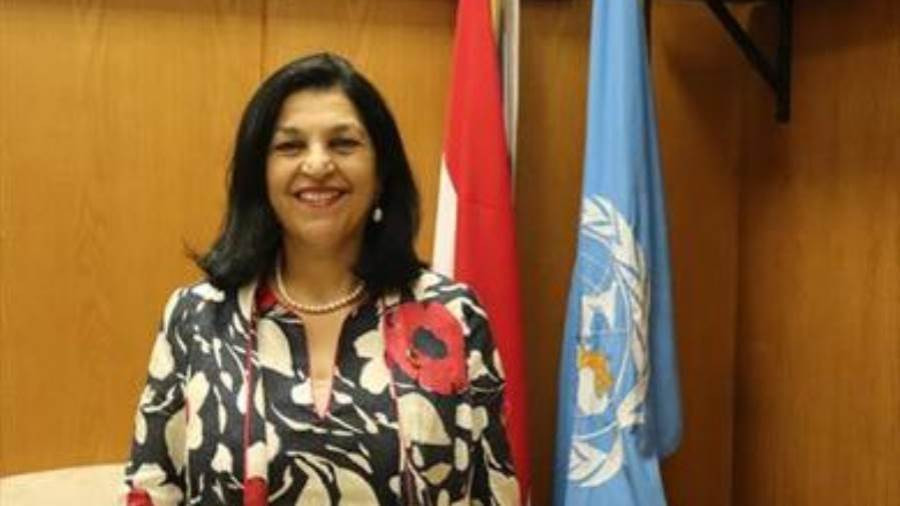
Dr. Naima Al-Qusair, the representative of the World Health Organization in Egypt, started her speech during the launch of the results of the report of the Tobacco Industry Intervention Index report in Egypt from January 2020 to March 2021, within the framework of the activities of the Egypt Observatory for Tobacco Control, which is responsible for the Association to Combat Smoking, Tuberculosis and Chest Diseases headed by Dr. Essam Maghazi.
The Anti-Smoking, Tuberculosis and Chest Diseases Society in Cairo issued its annual report entitled "Indicator of Tobacco Companies Interventions in Egypt for the year 2020", in cooperation with technical and financial support from the World Health Organization office in Egypt.
The Anti-Smoking, Tuberculosis and Chest Diseases Association in Cairo issues its annual report entitled "Indicator of Tobacco Companies Interventions in Egypt for the year 2020", in cooperation with technical and financial support from the World Health Organization office in Egypt.
The interests of the tobacco industry are irreconcilable with those of health. The interference of these companies is a serious obstacle to the progress of tobacco control measures in countries, and for this reason, governments must protect public policies. As a way of evaluating this protection, the Global Center for Good Governance in Tobacco Control (GGTC) annually coordinates the Global Tobacco Industry Interference Index, a publication that gathers data from surveys carried out by non-governmental organizations.
For the tobacco industry, the COVID-19 pandemic has turned out to be a golden opportunity to build influence. In dozens of countries, as virus cases and deaths mounted, tobacco companies dangled gifts and COVID-related donations while they lobbied for preferential treatment. And governments around the world took the bait.